





Common problems when booking Hounslow rubbish collection
Posted on 29/06/2026

Booking rubbish collection sounds simple enough, doesn't it? A quick call, a booked slot, waste gone, job done. But in real life, the process often trips people up. The most common problems when booking Hounslow rubbish collection usually come down to missed details, unclear pricing, access issues, and not knowing what a team can or cannot take. That's where delays, surprise costs, and a lot of unnecessary hassle creep in.
This guide breaks down the issues people run into most often, why they happen, and how to avoid them. Whether you're clearing a flat near Hounslow High Street, dealing with builder's waste after a renovation, or sorting a shed that has quietly become a second storage unit for life's leftovers, the aim here is simple: help you book with confidence and avoid the usual headaches.
Expert summary: most booking problems are preventable if you give a clear waste description, check access and timing, ask about pricing structure, and confirm what happens on collection day. A little preparation goes a long way. Truth be told, it saves more time than most people expect.
Why Common problems when booking Hounslow rubbish collection Matters
When rubbish collection goes wrong, it rarely stays a small problem. A missed booking can block a move-out, slow down a refurbishment, or leave waste sitting where you need the space most. In a busy area like Hounslow, that can mean awkward access at the wrong time, neighbours getting irritated, or a pile of waste becoming a safety issue in itself.
It matters because rubbish collection is not just about lifting bags. It's about timing, vehicle access, clear communication, and matching the right service to the right load. A one-item garden tidy-up is very different from a house clearance after years of accumulated clutter. If you treat them the same, that's usually where the problems start.
There's also the money side. Many booking frustrations come from simple misunderstandings: what is included, what counts as bulky waste, whether the quote is based on volume or labour, and whether difficult access changes the final price. If you want to avoid that slightly sinking feeling when the team arrives and says, "Right, we'll need to adjust the quote," it helps to understand the process before you book.
If you want broader context on the service landscape, our services overview gives a helpful starting point. And if your job is more specialised, the details matter even more; for example, builders waste disposal in Hounslow has very different planning needs from a simple general clearance.
How Common problems when booking Hounslow rubbish collection Works
The booking process usually follows a fairly predictable pattern. You describe the waste, choose a service, receive a price estimate, confirm a collection slot, and then the team arrives to assess, load, and remove the items. Sounds neat on paper. In practice, each step can wobble if information is incomplete.
Typical booking stages
- Initial enquiry: you explain what needs removing, roughly how much there is, and where it is located.
- Quote or estimate: the provider gives a price based on volume, labour, access, item type, or a combination of these.
- Slot confirmation: a collection time is booked. Sometimes that is same-day, sometimes scheduled for later.
- Arrival and assessment: the crew checks the load, confirms any changes if needed, and begins removal.
- Loading and disposal: the waste is taken away, usually sorted for recycling where possible.
The common problems usually appear in the gaps between those steps. For example, someone may say "just a few bags," but when the team arrives there's also a broken wardrobe, underlay, old tiles, and three damp cardboard boxes tucked behind the shed. That isn't a disaster, but it does change the job.
Another classic issue is access. A flat above a shop on a narrow street is very different from a driveway job with open parking. If parking is tight, stair access is awkward, or the waste is not near the entrance, the collection can take longer and may need different arrangements.
For local readers, it can also help to think about the type of area you're in. A quick same-day collection near busier spots like the High Street has different practical pressures from a quieter residential street. If you're dealing with an urgent request, our guide to same-day rubbish removal on Hounslow High Street is worth a look.
Key Benefits and Practical Advantages
Getting the booking right is not just about avoiding problems. It also makes the whole experience more efficient and far less stressful. You notice it immediately when the crew arrives prepared, the quote matches the job, and the waste disappears without back-and-forth.
- Fewer delays: accurate booking details mean fewer last-minute changes.
- Better pricing clarity: you are less likely to face awkward add-ons.
- Safer handling: specialist items are identified early, so they can be managed properly.
- Smarter timing: you can plan around work, moves, builders, or tenancy deadlines.
- Less disruption: proper access planning keeps the collection quick and tidy.
- Improved recycling outcomes: the right service can sort materials more effectively.
There's also a psychological benefit, which sounds a bit fluffy until you've lived through a cluttered hallway for two weeks. Once the waste is gone, the room feels bigger, lighter, and oddly calmer. You can hear your own footsteps again. Small thing, but it matters.
If sustainability is on your mind, it may help to read about recycling and sustainability practices. That is especially useful if you're clearing mixed household waste and want to understand what happens after collection.
Who This Is For and When It Makes Sense
This topic is relevant to far more people than you might think. Booking rubbish collection is not just for landlords or builders. It's for anyone who needs waste removed quickly, safely, and without surprises.
Typical situations
- Homeowners clearing lofts, garages, sheds, or bulky household waste.
- Tenants needing a fast end-of-tenancy clearance.
- Landlords and letting agents handling leftover items between occupancies.
- Tradespeople dealing with renovation debris, packaging, and site waste.
- Office managers removing old furniture, filing cabinets, and general office clutter.
- Garden owners clearing soil, branches, hedge trimmings, or old planters.
It also makes sense when you need more than the council bin system can realistically handle. A few small black sacks are one thing. A dismantled wardrobe, plasterboard, old carpet, and a broken desk are another. If the pile is too awkward, too heavy, or too large for normal household disposal, private collection becomes the practical route.
For move-related projects, planning ahead helps. If you're looking at property changes in the area, these local reads can be useful: a real estate buying guide for Hounslow and smart property investments in Hounslow. Both make it easier to think about clearance timing in the bigger property picture.
Step-by-Step Guidance
If you want to avoid the common booking problems, follow a proper process. Nothing fancy. Just a few disciplined steps.
1. Identify exactly what needs removing
Write down the main categories: furniture, white goods, garden waste, building rubble, mixed household rubbish, office items, or something else. Then split out anything unusual, such as paint tins, electricals, gas canisters, or sharp materials. The clearer you are, the fewer surprises later.
2. Estimate the amount honestly
People often understate waste. It happens all the time. A "small pile" becomes half a van once it's gathered together. Use a room-by-room or pile-by-pile estimate if that helps. If possible, take a few photos from different angles. Photos are ridiculously helpful and save everyone a back-and-forth.
3. Check access in advance
Think about parking, staircases, narrow hallways, lift access, and how far the waste is from the vehicle. A ground-floor flat with nearby parking is straightforward; a third-floor walk-up with no loading bay is not. Mention it early. It changes the plan.
4. Ask how the price is calculated
Is it based on volume, time on site, item type, labour, or a combination? Does the quote include loading, disposal, and parking considerations? If the answer feels vague, ask again. Better a slightly longer booking conversation than a messy collection day.
5. Confirm what cannot be taken
Some items need special handling or may not be accepted at all. Don't assume the team will take everything by default. List unusual items before the slot is fixed.
6. Fix the collection window
If you have a moving van arriving, builders on site, or school pick-up to juggle, make sure the timing works. A two-hour window can still feel long when your driveway is blocked and the kettle is on. Not ideal.
7. Read the terms and keep the confirmation
Hold on to the booking confirmation, pricing details, and any notes about access or item restrictions. That way, if something changes, you have the original agreement to refer to. It's a small habit that prevents a lot of friction.
Expert Tips for Better Results
After dealing with lots of rubbish clearances, the same practical lessons come up again and again. The best bookings are the ones with clear expectations from the start.
- Send photos early. Pictures beat long descriptions every time.
- Separate easy items from awkward ones. A sofa and a bag of clothes are not the same job.
- Keep access clear. Move cars, unlock gates, and make hallways passable before the team arrives.
- Be honest about volume. If you're unsure, overestimate slightly.
- Ask about recycling. If you want more sustainable disposal, say so.
- Plan around noise and neighbours. Especially in shared buildings or tight residential streets.
- Check the time of day. Early slots can be smoother if parking is difficult.
A small but useful tip: label anything you definitely want to keep before the collection day. It sounds obvious, but when a room is half-cleared and everyone is rushing, items can get moved together. That old lamp you meant to save? Easy to forget in the moment.
For garden jobs, there are a few area-specific nuances too. Our article on garden waste tips near Osterley Park is a good example of how local access and seasonal waste can change the booking experience.

Common Mistakes to Avoid
This is where most avoidable problems live. A lot of booking stress comes from simple assumptions.
Under-describing the waste
Saying "some rubbish" is not enough. A team needs to know whether it's light household waste, heavy rubble, mixed junk, or bulky furniture. Those are different loads, with different handling needs.
Forgetting access and parking
If the crew cannot park safely or reach the waste quickly, the job becomes slower and more expensive. In some parts of Hounslow, parking alone can be the difference between a smooth collection and a mildly chaotic one.
Ignoring restricted items
Some items need special treatment. If you lump them in without warning, the booking can change on the day. That is where frustration starts.
Not checking the final price basis
People sometimes compare quotes that are not actually built the same way. One may include labour and disposal, while another only covers vehicle time. Apples and oranges, really.
Booking too late
For a house move, office reset, or builder handover, leaving rubbish collection until the last minute is risky. The slot you want may not be available, or the collection may have to fit around someone else's timetable. And nobody enjoys that.
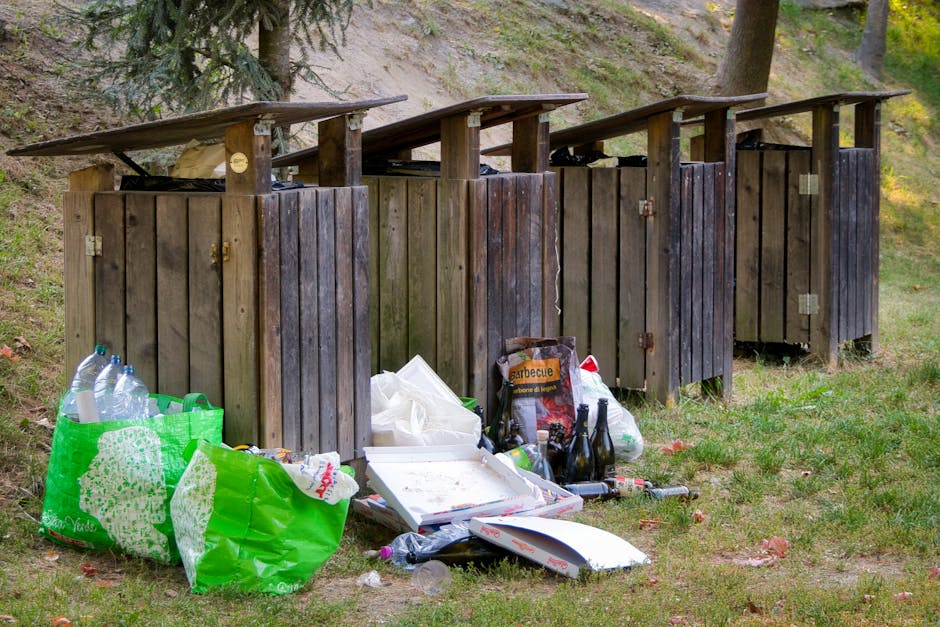
Assuming every clearance is the same
House clearance, office clearance, garden waste removal, and builders' waste disposal all have different demands. If you need to compare these services, our house clearance, office clearance, garden waste removal, and waste clearance pages are useful references.
Tools, Resources and Recommendations
You do not need a complicated toolkit to book rubbish collection well. A few simple things make the process much smoother.
- Phone camera: Take clear photos of the waste from several angles.
- Rough measurements: Estimate length, width, and height for bulky items or piles.
- Notepad or notes app: Keep a list of items, access details, and booking times.
- Booking confirmation: Save your quote and the agreed scope.
- Basic decluttering bags or labels: Separate keep, donate, and remove items before the crew arrives.
For background reading, it can help to understand the company side too. Our about us page gives a sense of who is behind the service, while insurance and safety explains the practical safeguards you should expect from a professional provider.
If payment security matters to you - and it should - take a look at payment and security. It helps to know how your details and transaction are handled before you commit.
For larger planning jobs, local context matters too. If you're thinking about a property move or investment, the articles a local's take on living in Hounslow and getting to know Hounslow can help you picture timing and logistics a bit more clearly.
Law, Compliance, Standards, or Best Practice
With rubbish removal, a sensible booking process is not just convenient - it's part of good compliance and duty of care. You do not need to be a legal expert, but you do need to be careful about who is taking your waste and how it is being handled.
In the UK, householders and businesses are expected to use responsible waste disposal routes. In practical terms, that means checking that the provider is legitimate, understanding what happens to the waste, and avoiding any arrangement that feels vague or untraceable. If something sounds too casual, it usually is.
Best practice also includes:
- Clear waste descriptions: so the correct handling route can be used.
- Honest item declarations: especially for electricals, sharps, and mixed materials.
- Proper transfer and disposal processes: so waste goes to appropriate facilities.
- Safety first: particularly when lifting heavy items, using stairs, or handling broken material.
For readers who want a better sense of wider sustainability thinking, this piece on London's no-waste approach is a useful companion read. It's not about booking mechanics directly, but it does show how waste handling fits into the bigger picture.
Also, if your booking involves policies, handling terms, or privacy concerns, it is perfectly reasonable to review the relevant pages before confirming. That is just smart business. No drama, no suspicion - just sensible due diligence.
Options, Methods, or Comparison Table
Different collection methods work better in different situations. Here's a simple comparison to help you choose.
| Option | Best for | Strengths | Common drawbacks |
|---|---|---|---|
| General rubbish collection | Mixed household waste, small clearances | Simple, flexible, quick to arrange | May not suit very heavy or specialist waste |
| House clearance | Full or partial property clearances | Useful for large volumes and room-by-room jobs | Needs more planning and item detail |
| Office clearance | Workspaces, desks, filing, furniture | Efficient for business moves or refurbishments | Access and timing can be tight |
| Garden waste removal | Branches, soil, hedge trimmings, green waste | Good for seasonal tidy-ups | Wet or bulky waste can affect loading |
| Builders' waste disposal | Renovation debris, rubble, packaging | Designed for heavier site waste | Requires more accurate load description |
If you are unsure which route fits your job, compare the likely waste mix, access conditions, and timing. That usually makes the answer obvious. If not, the safest choice is to describe the job in plain English and ask for guidance before booking.
Case Study or Real-World Example
A typical example: a couple moving out of a maisonette in Hounslow had accumulated several bags, an old mattress, a broken wardrobe, and a few boxes from the loft. At first glance, they thought it was a small booking. Then they remembered the mattress would need carrying down two flights of stairs, the wardrobe was partly dismantled, and parking outside was restricted until midday.
Because they mentioned all of that early, the collection was planned properly. The team arrived with the right time window, knew what to expect, and completed the job without a pricing dispute. Nothing flashy. Just good prep.
Now, imagine the opposite. No photos, no mention of stairs, no mention of parking. The quote would likely have been less accurate, the team would have needed to re-assess on arrival, and the whole thing could have drifted into delay. That's usually how the common booking problems show up: not as huge disasters, but as a series of little avoidable mismatches.
A similar pattern applies to seasonal jobs. For example, after a garden cut-back, wet hedge trimmings and soil bags can weigh more than expected. If you want a local example of how this plays out, the Osterley Park garden waste tips piece shows why accurate detail matters even for a straightforward-looking tidy-up.
Practical Checklist
Use this before you book. It's simple, but it works.
- Write down everything to be removed.
- Separate normal waste from special or awkward items.
- Take clear photos of the pile or rooms.
- Estimate the amount honestly, even if it's rough.
- Check parking, stairs, lifts, and access routes.
- Confirm the collection date and time window.
- Ask how the price is calculated.
- Check what is excluded from the service.
- Review any relevant terms before confirming.
- Keep the confirmation message or email.
- Make the access area clear on the day.
- Set aside items you definitely want to keep.
That's the short version. If you do those things, you'll avoid most of the issues people complain about later.
If you want to review the company's wider policies before booking, the pages on terms and conditions, privacy policy, and cookie policy are there for a reason. Slightly dull reading, perhaps, but useful. Very useful when something needs checking later.
Conclusion
The most common problems when booking Hounslow rubbish collection are usually not dramatic. They are small, practical issues: unclear waste descriptions, missed access details, vague pricing, and booking at the wrong time. The good news is that all of them are avoidable with a bit of structure and a few honest details up front.
Whether you're clearing a home, office, garden, or renovation site, the same rule applies: describe the job clearly, check the logistics, and confirm what is included before the slot is fixed. That alone removes most of the stress.
And honestly, once the process is handled properly, the relief is immediate. The room opens up. The path clears. The day feels lighter. Small win, but a real one.
Get a free quote today and see how much you can save.


 Tipper Van - Waste Disposal and Rubbish Removal Prices in Hounslow, TW3
 Luton Van - Waste Disposal and Rubbish Removal Prices in Hounslow, TW3